
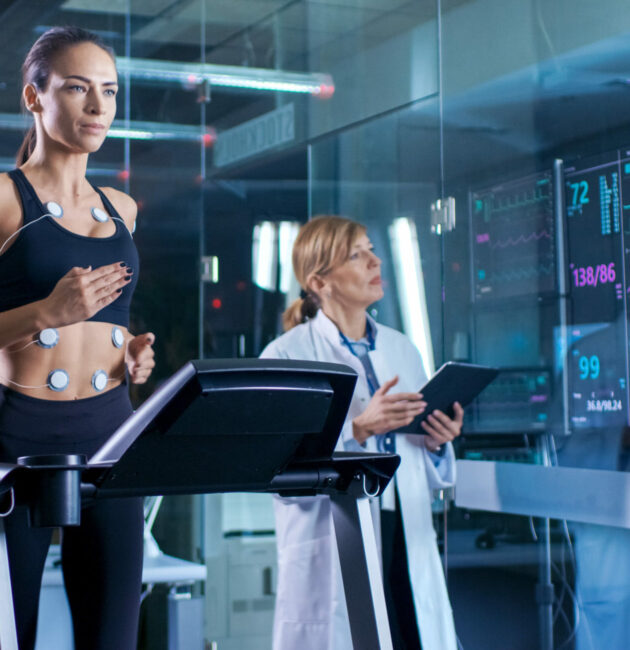
Technology is transforming the sports world, introducing gadgets and equipment that enhance performance, improve training, and provide new insights for athletes and coaches alike. From motion analysis to health monitoring and optimized recovery, these technological innovations are helping athletes of all levels reach new goals. Here’s a look at the game-changing gadgets that are revolutionizing sports and giving athletes a winning edge.
1. Smartwatches and Fitness Trackers: Performance at Your Wrist
Smartwatches and fitness trackers have become essential for athletes and fitness enthusiasts. These devices track valuable data such as heart rate, steps, and even sleep cycles, providing key insights to optimize performance and prevent injuries.
- Features: Real-time data tracking, GPS for distance, heart rate monitoring, and sleep analysis.
- Popular Examples: Apple Watch, Garmin Forerunner, Fitbit, Polar.
- Benefits for Athletes: Help adjust training intensity based on physical data, ensure optimal recovery, and identify signs of fatigue.
Training Tip: Use the data from your smartwatch to plan more effective training sessions by adjusting your pace to match your target heart rate.
2. Motion and Posture Sensors: Perfecting Technique
Motion and posture sensors are used in sports like golf, tennis, and track to analyze and refine athletes’ techniques. These sensors capture movement and provide precise feedback to correct form and prevent errors.
- How They Work: Placed on the body or integrated into clothing, the sensors capture each movement and provide real-time data.
- Examples of Sensors: Blast Motion (golf and baseball), Myotest (track and field), Vert (basketball for jump tracking).
- Advantages: Allow athletes to perfect movements, improve accuracy, and reduce the risk of injury due to poor posture.
Tip for Athletes: Integrate these sensors into training to identify and correct movements that may be limiting your performance.
3. Smart Shoes: Innovation at Your Feet
Smart shoes incorporate sensors to analyze stride, pressure, and performance. They are especially popular in running, where every detail counts for optimizing results.
- Features: Measures cadence, stride length, impact force, and running style analysis.
- Popular Models: Under Armour HOVR, Altra Torin IQ.
- Advantages: Help correct running posture, prevent injuries by detecting abnormal impacts, and improve technique.
Running Tip: Use your smart shoes’ data to adjust your stride and distribute pressure evenly on your feet.
4. Virtual Reality (VR) Applications: Immersion and Visualization
Virtual reality allows athletes to train in simulated environments, practice visualization techniques, and repeat technical movements without being on the field. VR technology is particularly useful in sports like football, skiing, and combat sports.
- Use Cases: Visualizing a ski course, mental training for golf swings, or boxing simulation.
- Advantages: Reduces mental pressure before competition, prepares athletes for match scenarios, and improves muscle memory.
- Example Applications: STRIVR (training simulation), Oculus (VR for fitness), Sensorium (simulated environments).
Athlete Tip: Integrate VR into your routine to boost concentration, muscle memory, and reduce pre-competition stress.
5. Smart Clothing: The Future of Performance Tracking
Smart clothing, such as shirts, shorts, and leggings with embedded sensors, tracks athletes’ performance in real-time. They monitor data like heart rate, body temperature, and movement without the need for additional gadgets.
- Features: Embedded sensors for heart rate, temperature, and movement analysis.
- Popular Brands: Hexoskin, Athos, Lumo Run.
- Advantages: Provide precise and comfortable monitoring, ideal for intense training where every detail counts.
Performance Tip: Use data from your smart clothing to adapt training intensity based on your body’s signals.
6. Data Analysis Platforms for Sports Teams
Data analysis platforms have become essential for professional sports teams. By collecting and analyzing player data, coaches can adjust game strategies, monitor individual performance, and optimize training plans.
- Features: Tracks statistics, analyzes movement, predicts performance, and manages health data.
- Examples of Platforms: Catapult, SAP Sports One, Zebra MotionWorks.
- Advantages for Coaches: Enable better decision-making based on data and help prevent injuries by tracking players’ workload.
Team Strategy Tip: Integrate data analysis to create more effective game strategies and monitor each player’s progress.
7. Advanced Recovery Tools: Accelerated Recovery
Recovery is as important as training, and technological gadgets play a key role in helping athletes recover faster and perform better.
- Examples of Tools: Massage guns (Theragun), compression boots (Normatec), brain-stimulation headsets (Halo Neuroscience).
- Advantages: Reduce muscle soreness, speed up recovery, and prepare muscles for the next workout.
- Recovery Tip: Use massage or compression tools after intense training to minimize injury risks and improve flexibility.
8. Drones for Game and Training Analysis
Drones equipped with high-definition cameras are used to capture aerial views of games or training sessions, providing a unique overview of team strategy.
- Features: High-resolution captures, movement tracking, and game strategy analysis.
- Advantages: Allow coaches to visualize player positioning and coordination, correct errors, and improve tactics.
- Use Cases: Football game analysis, rugby training, and tracking movement in track and field.
Team Training Tip: Use drone footage to study team movements and adjust game strategy based on the team’s needs.
9. Augmented Reality Simulators: For Immersive Training
Augmented reality simulators allow athletes to immerse themselves in specific situations, like penalty shots or hockey saves, offering a realistic experience to improve skills.
- Uses: Decision-making training, real-time scenario visualization, technique practice.
- Advantages: Enable training in realistic environments, improve accuracy, and reduce reaction times.
- Example Simulators: SAP VR Training (soccer), AR Baseball Hitting Trainer.
Athlete Tip: Use simulators to hone your skills in specific game scenarios, increasing your chances of success.
Technological gadgets are transforming sports by offering new solutions to challenges in performance, recovery, and strategy. These innovations continue to develop, making sports more accessible, precise, and connected. Whether you’re a professional athlete or an amateur, these tools can help you reach new heights by giving you the technological advantage that makes a difference.