
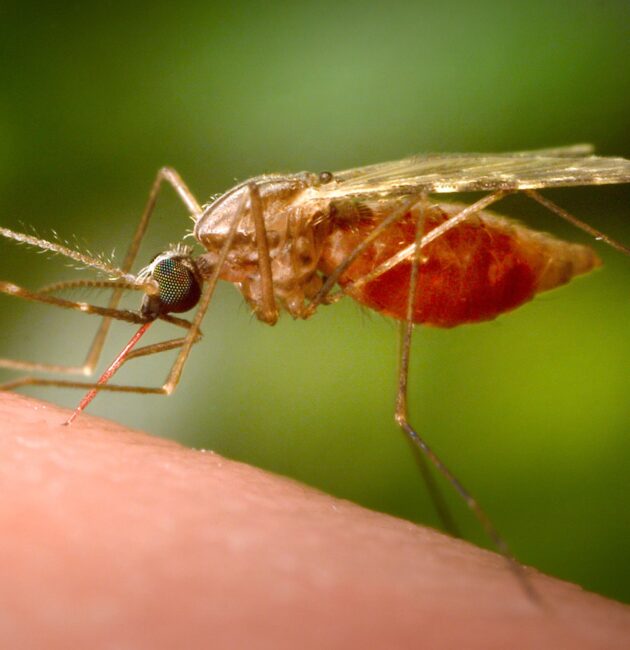
In Burkina Faso, the fight against malaria is entering a promising new phase with sterile mosquito trials set to begin in early 2025 under the Target Malaria initiative.
This ambitious project uses bioengineering to reduce populations of malaria-carrying mosquitoes by releasing genetically modified sterile male mosquitoes that mate with females but produce no offspring.
🧬 How It Works
Sterile male mosquitoes are bred in laboratories and strategically released in rural areas. Their inability to reproduce causes a gradual decline in mosquito populations, aiming to reduce malaria transmission.
Malaria still kills nearly 400,000 people annually worldwide, mostly in sub-Saharan Africa.
🌍 Responsible and Regulated Approach
Target Malaria collaborates closely with local health authorities, communities, and international organizations to ensure safe and ethical deployment.
Environmental and health impact studies have been conducted to minimize any negative effects on the ecosystem.
🤝 Towards a Malaria-Free Future?
If successful in Burkina Faso, this technology could be expanded to other malaria-affected countries, offering a powerful new tool in malaria control.
This initiative represents a major hope in combating this deadly disease by combining scientific innovation with community engagement.