
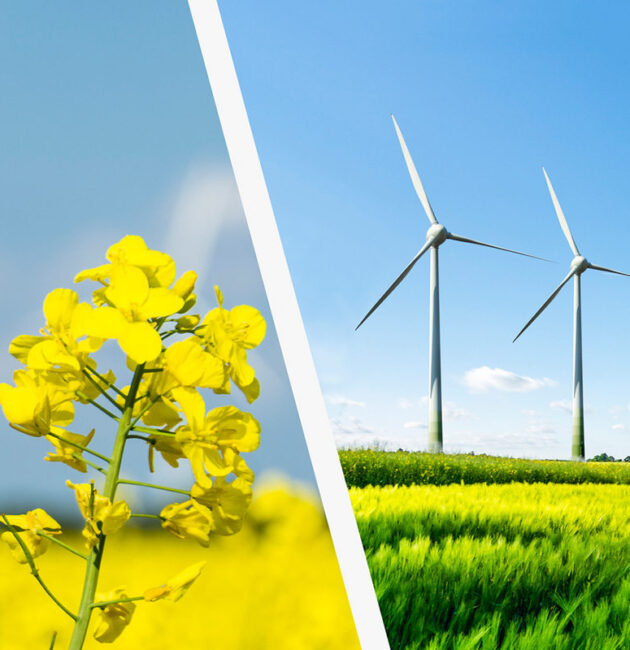
In response to the growing challenges of climate change, Canada is committing firmly to environmental sustainability. By 2025, the country stands out for its innovations in green energy and efforts to reduce greenhouse gas emissions. This article explores the major trends and innovations shaping the renewable energy sector in Canada.
1. Green Hydrogen: A Pillar of the Energy Economy
Green hydrogen is emerging as a key solution for decarbonizing multiple sectors. Canada is investing in infrastructure to produce hydrogen from renewable energy sources like wind and solar. Pilot projects in Alberta and Ontario demonstrate how hydrogen can be utilized for energy storage and transportation.
2. Solar Energy: Continued Expansion
In 2025, solar energy continues to grow in Canada. Residential and commercial solar installations are multiplying, supported by government incentives and declining costs of photovoltaic technology. Provinces like Quebec and British Columbia are leading initiatives to integrate more solar power into their grids.
3. Offshore Wind: A New Frontier
Canada is developing its offshore wind potential, with several projects underway along the Atlantic and Pacific coasts. These projects not only increase the capacity for clean energy production but also create local jobs and stimulate the economy. By 2025, these installations have become a key element of the national energy mix.
4. Smart Grids: Technological Innovation
Smart grids, which integrate digital technology to manage energy more efficiently, are thriving in Canada. By 2025, utility companies are utilizing advanced technologies to optimize energy distribution, reduce losses, and facilitate the integration of renewable energy sources. This allows for better responses to the growing demand while reducing carbon footprints.
5. Promoting Energy Efficiency
Energy efficiency is gaining importance as efforts to reduce overall energy consumption grow. In 2025, Canada is focused on policies to encourage energy-efficient renovations in residential and commercial buildings to minimize energy waste. Grant programs and stricter building codes are implemented to promote this transition.
6. Collaboration and Public-Private Partnerships
Green energy initiatives in the country increasingly rely on collaboration between public and private sectors. By 2025, partnerships are formed to develop renewable energy projects, attract investment, and share knowledge necessary for innovation. These collaborations foster a dynamic research and development environment.
7. Awareness and Education
Raising awareness about the importance of green energy is essential for a successful transition. In 2025, numerous educational initiatives aim to inform the public about the benefits of renewable energies and how everyone can contribute to a sustainable future. Schools, universities, and community organizations play a key role in this awareness.
In 2025, Canada is at the forefront of innovations in green energy. Through advanced technologies, bold policies, and a strong collective will, the country is moving towards a sustainable energy future. These efforts not only reduce environmental impact but also foster job creation and economic prosperity. By embracing these innovations, Canada proves that transitioning to a green economy is not just possible but essential.