
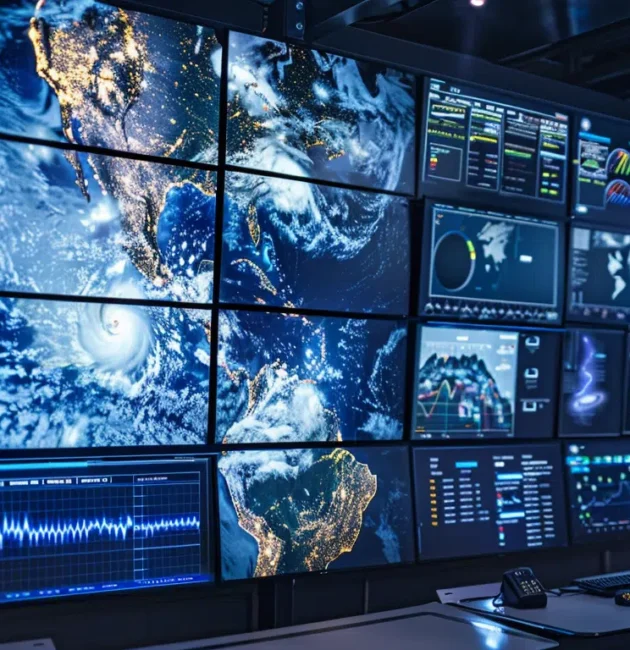
🌍 Artificial Intelligence: A Surprising Ally for Climate and Safety
Artificial Intelligence (AI) is often criticized for its growing environmental footprint — from high energy consumption to increased CO₂ emissions. But according to a new study from Yale University, in the field of weather forecasting, AI could become a powerful tool to reduce carbon emissions and save lives.
⚠️ The Ecological Paradox of AI
As reported by the International Energy Agency, the massive adoption of AI has led to a surge in electricity demand, compounded by the water needed to cool data centers. Building the infrastructure also requires rare minerals and chemicals, raising serious sustainability concerns.

✅ In Weather Forecasting, AI Has a Positive Impact
Yale researchers show that when applied to meteorology, AI’s impact is overwhelmingly beneficial:
👉 AI delivers weather forecasts that are 20% more accurate than traditional models
👉 It also consumes up to 1,000 times less energy thanks to faster processing speeds
💡 Lower Costs, Broader Access
With AI, standard computers can now run complex forecasts that once required supercomputers. This results in:
- A smaller environmental footprint
- Wider access to advanced weather forecasting, even in low-income countries
🚨 Better Disaster Response, More Lives Saved
AI also improves our ability to predict and respond to extreme weather events. With earlier and more precise alerts, communities and governments can:
- Evacuate vulnerable areas
- Protect infrastructure and lives
- Prevent massive economic losses
While current systems often provide warnings just hours in advance, AI could extend that window to several days, dramatically increasing preparedness.
⏳ Still a Work in Progress
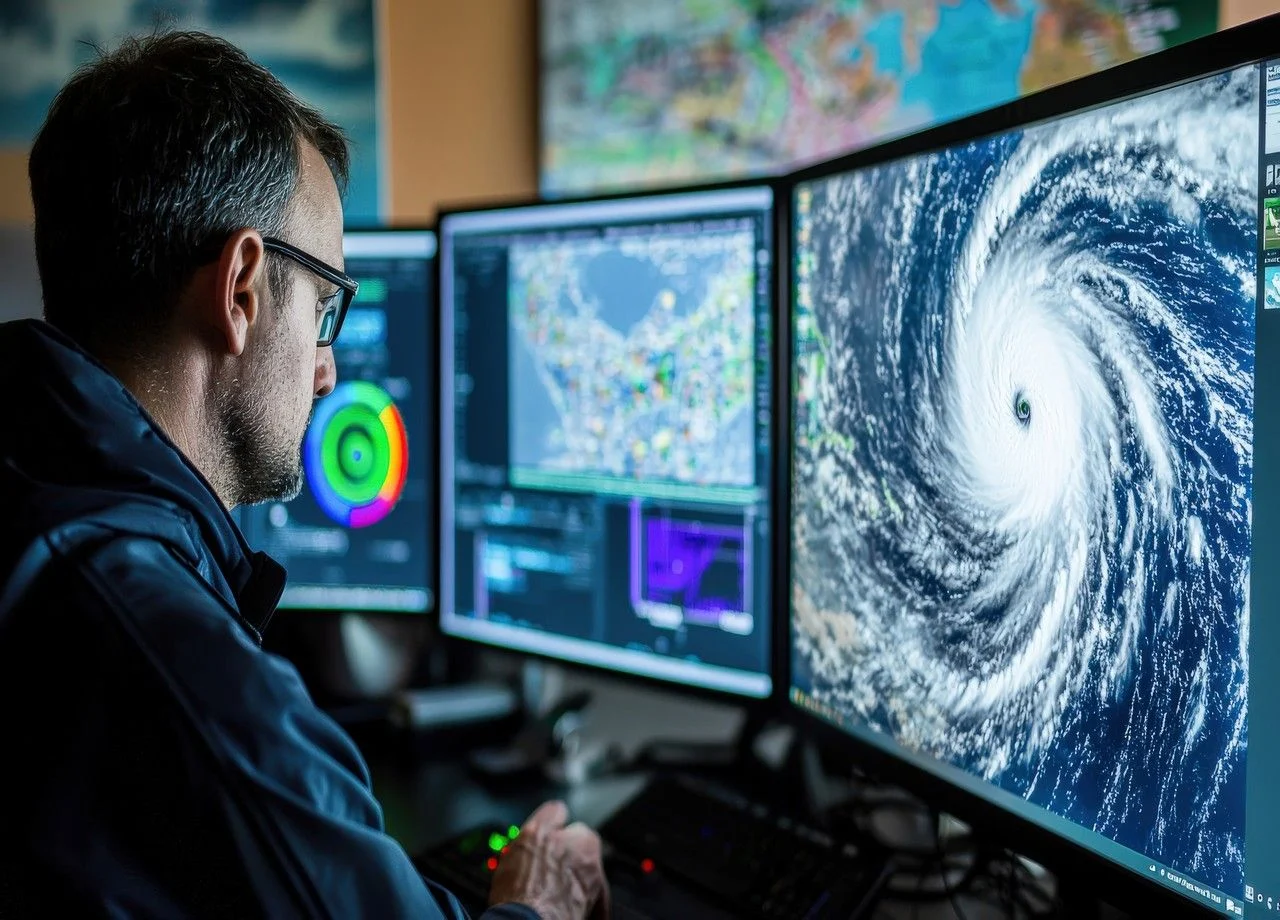
Despite its promise, AI has not yet fully replaced traditional forecasting models. Both systems must still work together until AI reaches full reliability. The real question is when AI will be able to stand alone as the new global standard.
🧠 Conclusion
While AI can strain the environment in some sectors, its use in weather prediction offers a rare win-win: less energy, more accuracy, wider access, and better disaster protection. It’s a powerful example of how smart technology can serve both humanity and the planet.