
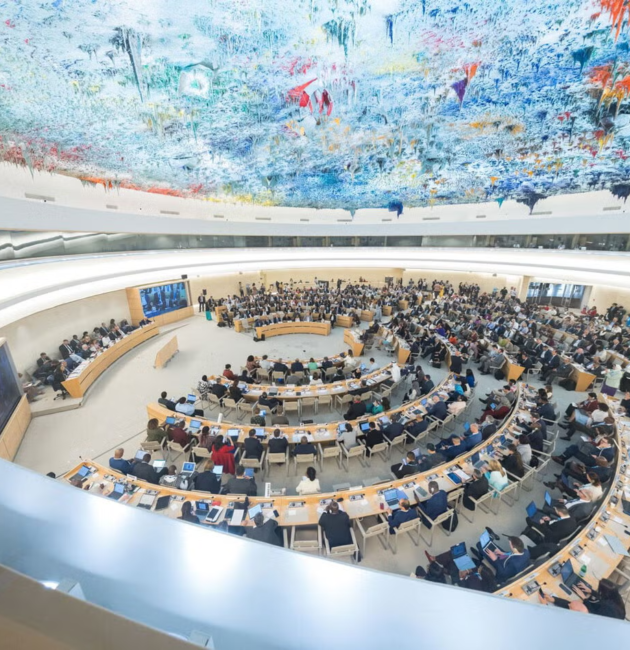
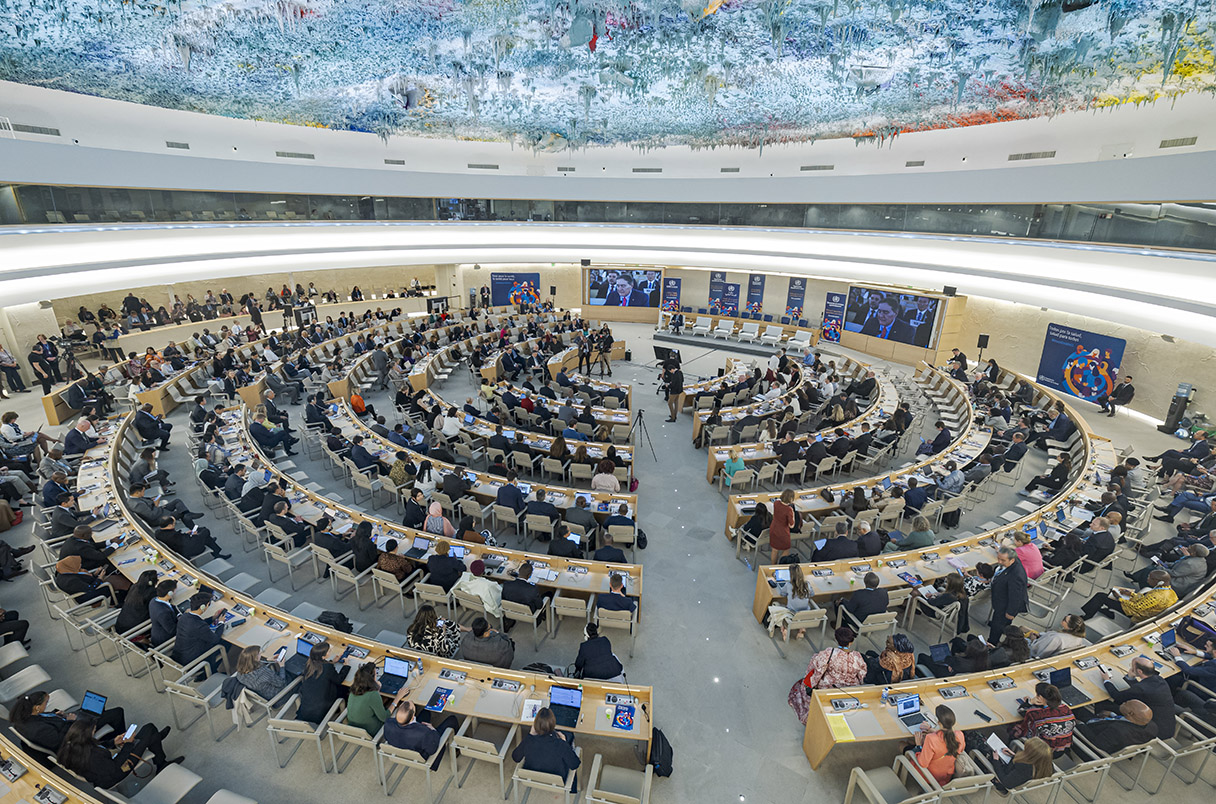
On May 20, 2025, the World Health Organization (WHO) officially adopted the first-ever global pandemic agreement during the 78th World Health Assembly in Geneva. This treaty, the result of over three years of negotiations, aims to strengthen international cooperation to prevent, prepare for, and respond effectively to future pandemics.
🤝 Near-Unanimous Adoption
The agreement was approved by 124 member countries without opposition, while 11 nations abstained, including Poland, Israel, Italy, Russia, Slovakia, and Iran. The United States did not participate in the vote, having previously withdrawn its support from the WHO.
🧬 Key Objectives of the Agreement
The agreement establishes a framework to:
- Enhance international coordination in pandemic surveillance and response.
- Ensure equitable and rapid access to vaccines, treatments, and diagnostic tools.
- Strengthen national health systems and promote universal health coverage.
- Implement the Pathogen Access and Benefit-Sharing System (PABS), which stipulates that 20% of vaccine production during a pandemic be made available to the WHO, with 10% provided free of charge.
🌐 Respect for National Sovereignty
The agreement specifies that none of its provisions grant the WHO the authority to impose specific measures on member states, such as travel restrictions, vaccination mandates, or lockdowns. Each country retains its sovereignty in public health matters.
🔜 Next Steps
Although the agreement has been adopted, certain annexes, particularly those concerning the PABS system, still need to be finalized. The agreement will enter into force after ratification by at least 60 countries, a process that could extend over the next two years.