


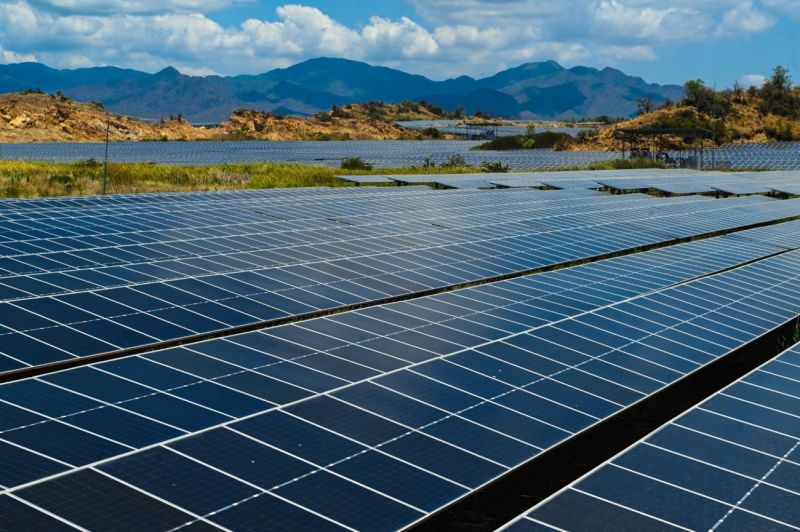
June 25, 2025 – Deep in Southern Zambia, the town of Choma is now home to a groundbreaking clean energy project. The newly inaugurated Choma Solar plant, combining 60 MW of solar capacity with 20 MWh of battery storage, marks a turning point for energy access and reliability in rural areas.
Led by GEI Power and local developer YEO Kombi, the project brings stable, green electricity to thousands of households while strengthening Zambia’s long-term energy strategy.
⚡ Reliable power for a struggling grid
Zambia has long suffered from:
- Frequent power cuts (load shedding)
- Overreliance on hydropower vulnerable to drought
- A growing population underserved by the national grid
Choma Solar offers solutions through:
- A 60 MW solar farm
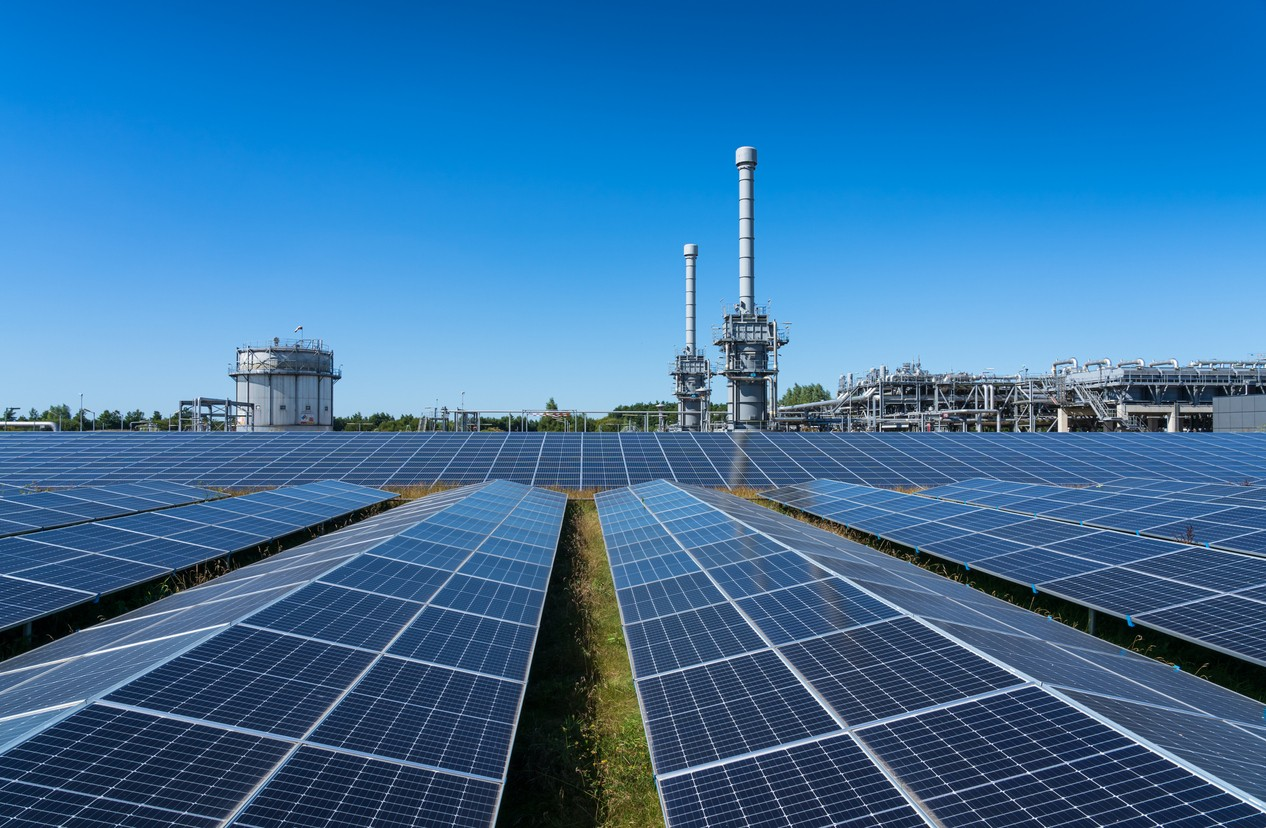
- A 20 MWh battery storage system to ensure supply during evenings and cloudy days
- Direct integration into the regional mini-grid, avoiding long transmission losses

🔋 Why storage matters
Battery integration allows:
- Voltage stability throughout the day
- Continuous power even when the sun isn’t shining
- Reduced reliance on polluting diesel generators
This is Zambia’s first utility-scale hybrid solar-storage project, and a template for rural electrification across Africa.
🤝 Locally driven and internationally funded
With an $85 million investment, Choma Solar is supported by:
- The Africa Clean Energy Fund (ACEF)
- The African Development Bank
- Public-private partnerships with Zambian companies
Construction took 18 months, creating over 300 local jobs.
👨🌾 Immediate rural benefits
More than 120,000 people in Southern Province will benefit from:
- Reliable power for farms, hospitals, and schools
- Small businesses growing thanks to stable electricity
- Reduced energy poverty in underserved communities
🌍 Decentralizing Zambia’s energy future
Choma Solar supports Zambia’s goal of reaching 100% national electrification by 2035 through distributed, renewable systems.
✅ Conclusion
By combining solar energy and battery storage, Choma Solar paves the way for clean, reliable, and inclusive power. Zambia proves that energy innovation doesn’t have to be urban or massive—it can be rural, smart, and life-changing.


