


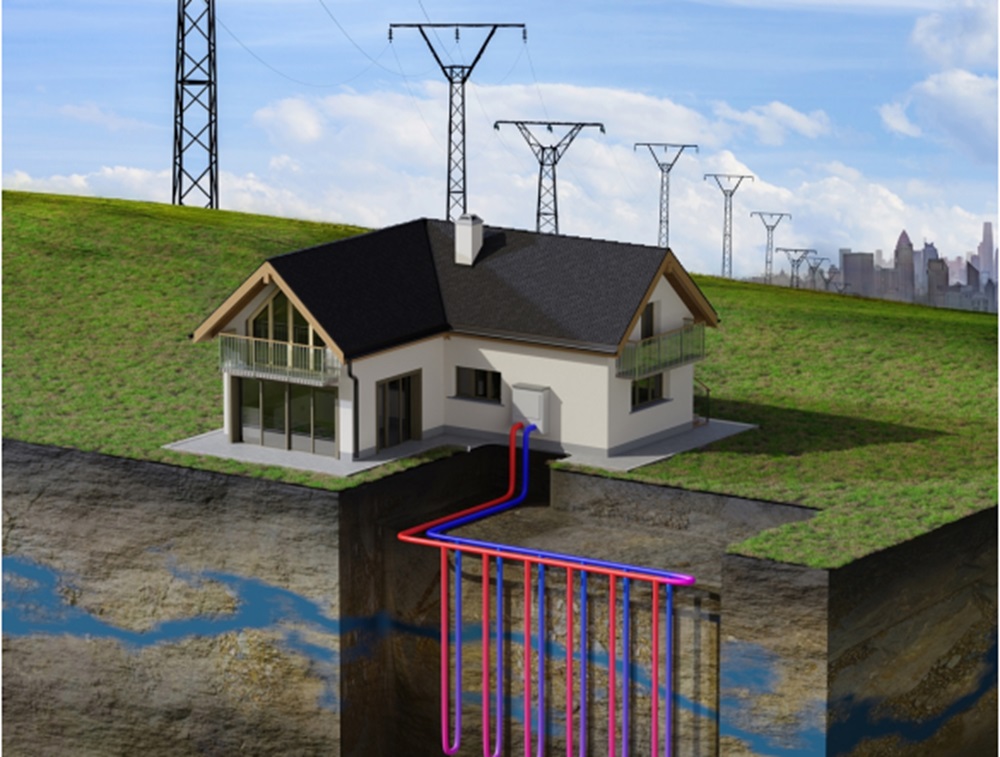
Toronto is turning to clean, underground energy to heat its buildings sustainably and efficiently.
As global cities race to cut greenhouse gas emissions, Toronto is emerging as a geothermal energy pioneer. By tapping into the earth’s natural heat through underground systems, the city is reshaping how buildings are heated—and even cooled—throughout the year.
🔥 What Is Urban Geothermal Heating?
Urban geothermal heating uses underground thermal loops to capture the earth’s heat, typically a few hundred meters below ground. That energy is then used to heat residential, commercial, or public buildings. In summer, the same system can be reversed to provide natural cooling.


🌆 A Response to Climate Challenges
Buildings in Toronto account for over 50% of the city’s GHG emissions, primarily due to natural gas heating. Geothermal networks offer a low-carbon alternative and are crucial to Toronto’s net-zero goals by 2040.
The Well, a large-scale mixed-use development in Spadina, stands out. This pioneering project uses a 100% geothermal system for heating and cooling, producing zero direct emissions.
🤝 Public-Private Collaboration
Toronto’s geothermal shift is driven by strong partnerships between the City of Toronto, Enwave Energy Corporation, and property developers. Enwave develops shared geothermal energy networks that connect multiple downtown buildings, improving energy efficiency while stabilizing long-term heating costs.
🏘️ Benefits for Citizens
Toronto residents are already experiencing the benefits:
- Lower carbon emissions in their neighborhoods.
- More energy-efficient and comfortable buildings.
- A just energy transition without sacrificing quality of life.
🌱 A Model for Other Canadian Cities?
Toronto is setting a national precedent. Similar geothermal projects are being launched in Vancouver, Calgary, and Montreal, with support from Canada’s Just Transition Plan and federal grants
Urban geothermal energy is no longer futuristic—it’s already reshaping heating in Toronto and positioning the city as a global leader in green infrastructure.


