


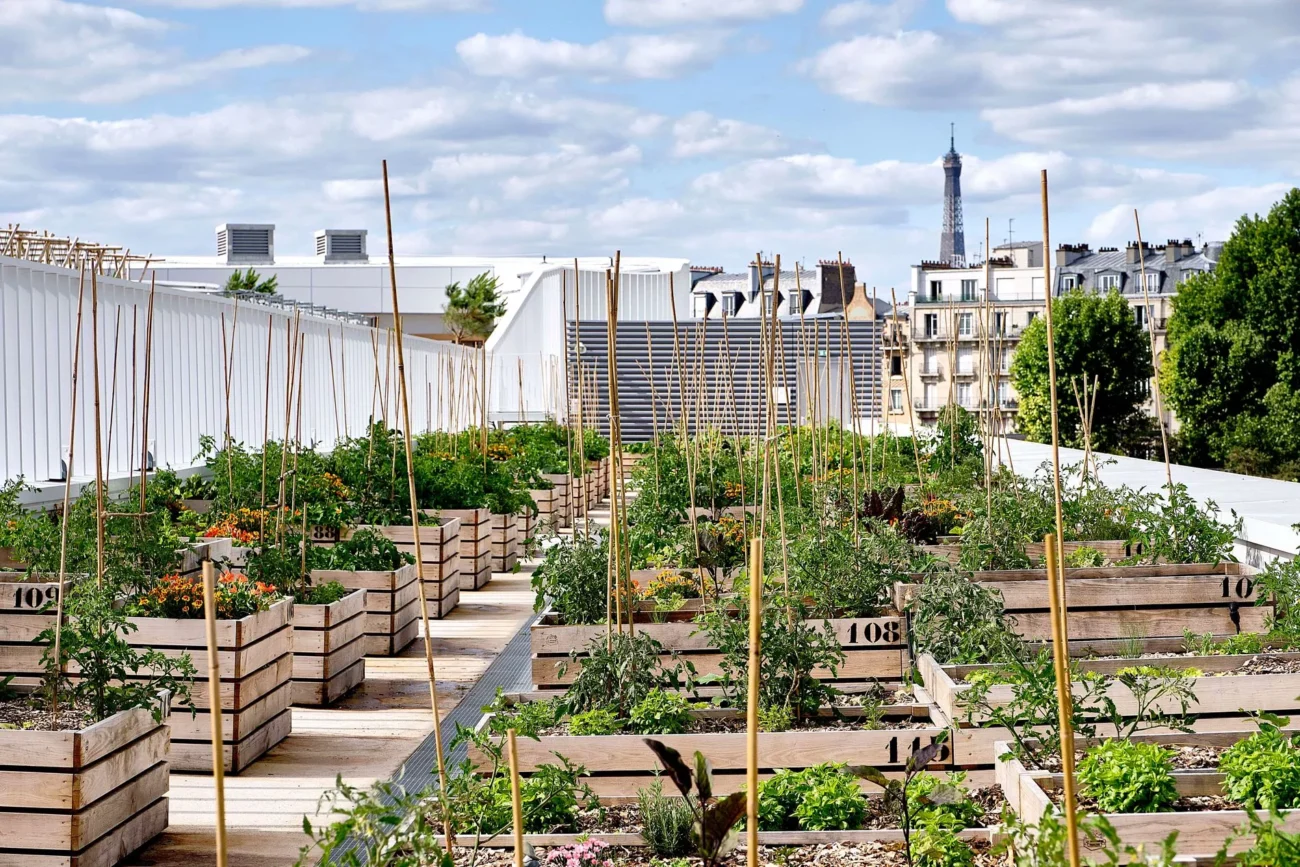
In Toronto’s ever-evolving urban landscape, a green revolution is taking root atop city buildings. Former finance professionals, now turned urban farmers, are transforming concrete rooftops into lush gardens, adding a new dimension to urban agriculture and contributing to downtown food security.

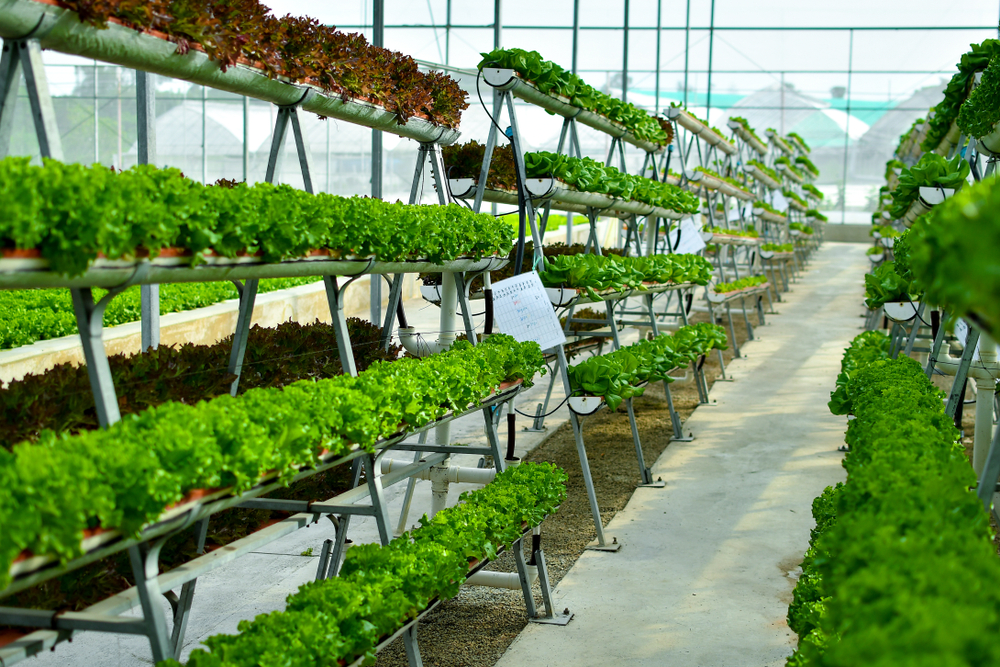
The Rise of Rooftop Urban Farming
Toronto is known for its progressive green roof policies, being the first city in North America to mandate green roofs on new buildings over six stories. This initiative paved the way for integrating agriculture into urban rooftops — a practice that brings both environmental and social benefits.
From Finance to Farming
Among the pioneers of this movement are former bankers and financial experts who left the world of high finance to dedicate themselves to urban agriculture. Their management and investment skills have proven valuable in building sustainable and profitable urban farming ventures.
One standout example is Avling Brewery, located at 1042 Queen St. E. in Toronto. Founded by Max Meighan — a former chef turned brewer and urban farmer — the brewery features a 4,000-square-foot rooftop farm. Using regenerative farming practices, it produces microgreens, radishes, herbs, edible flowers, tomatoes, honey, and beeswax. These are used directly in the restaurant and brewery, creating a closed-loop system that minimizes waste and maximizes freshness.

The Many Benefits of Rooftop Farms
Rooftop urban farms offer a wide range of advantages:
- Reduced Carbon Footprint: Local food production cuts down on transportation emissions.
- Thermal Insulation: Green roofs improve building insulation, lowering heating and cooling costs.
- Stormwater Management: They absorb rainwater, easing pressure on urban drainage systems.
- Increased Biodiversity: Rooftop ecosystems support urban wildlife and plant diversity.
- Community Engagement: Farms offer educational opportunities and connect residents through hands-on activities.
Challenges and Future Outlook
Despite the many benefits, rooftop farms face challenges, such as high startup costs, structural requirements, and urban regulations. However, with growing municipal support and public interest in sustainable living, the future looks bright for rooftop agriculture in Toronto.
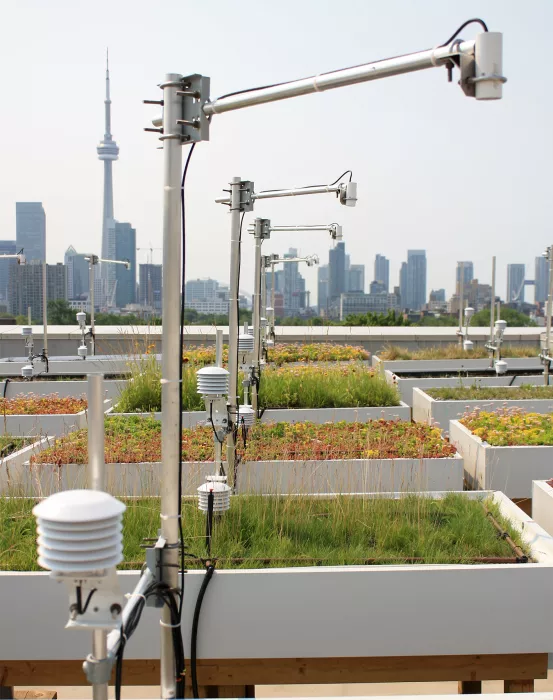
Institutions like Toronto Metropolitan University (formerly Ryerson University) also play a crucial role by running rooftop farms for research and education, helping raise awareness and train the next generation of urban farmers.

Conclusion
The transformation of Toronto’s rooftops into urban farms, led by people from diverse backgrounds — including ex-bankers — is a powerful example of innovation, sustainability, and community engagement. These projects are not only reshaping the cityscape but also strengthening Toronto’s food resilience, offering a blueprint for other cities worldwide.


