


Origins: The African Cradle
The roots of Black music run deep in the African continent, where sounds and songs punctuated daily life. More than just instruments, talking drums also served as a means of communication between villages. Ceremonies, celebrations, and even daily tasks were accompanied by songs, showcasing a rich and vibrant oral tradition.

The Journey: From Uprooting to Rebirth
The transatlantic slave trade, a tragic chapter in history, led to the dispersion of these musical traditions across the Americas. Despite suffering, enslaved people preserved their culture through work songs and spirituals. This transmission laid the foundation for numerous musical genres that would leave a lasting mark on history.

Blues: The Voice of the Soul
Born in the cotton fields of Mississippi, the blues borrowed the intonations of field hollers and work songs to become a profound expression of human emotions. This musical genre quickly became a universal language of suffering, hope, and resilience.

The Jazz Revolution: The Art of Improvisation
At the beginning of the 20th century, New Orleans became the birthplace of jazz, a unique fusion of African rhythms, European harmonies, and American blues. Figures like Louis Armstrong propelled jazz onto the world stage, highlighting improvisation as a major art form.

Global Expansion: From Africa to the World
Black music has inspired genres worldwide. In Latin America, it influenced Brazilian samba and Cuban salsa. In the Caribbean, it gave birth to reggae and calypso. In Europe and Asia, this influence led to innovative musical fusions.
Putumayo: A Musical Ambassador
In the 1990s, the label Putumayo World Music helped introduce traditional and modern African-rooted music to a global audience, fostering recognition of this heritage.

The Digital Revolution and Afrobeats
With the rise of digital platforms, Black music continues to evolve. Afrobeats, a fusion of traditional African sounds with electronic, hip-hop, and R&B influences, dominates the global music scene. Artists like Burna Boy and Wizkid attract millions of listeners via streaming platforms.

The Legacy of Instruments
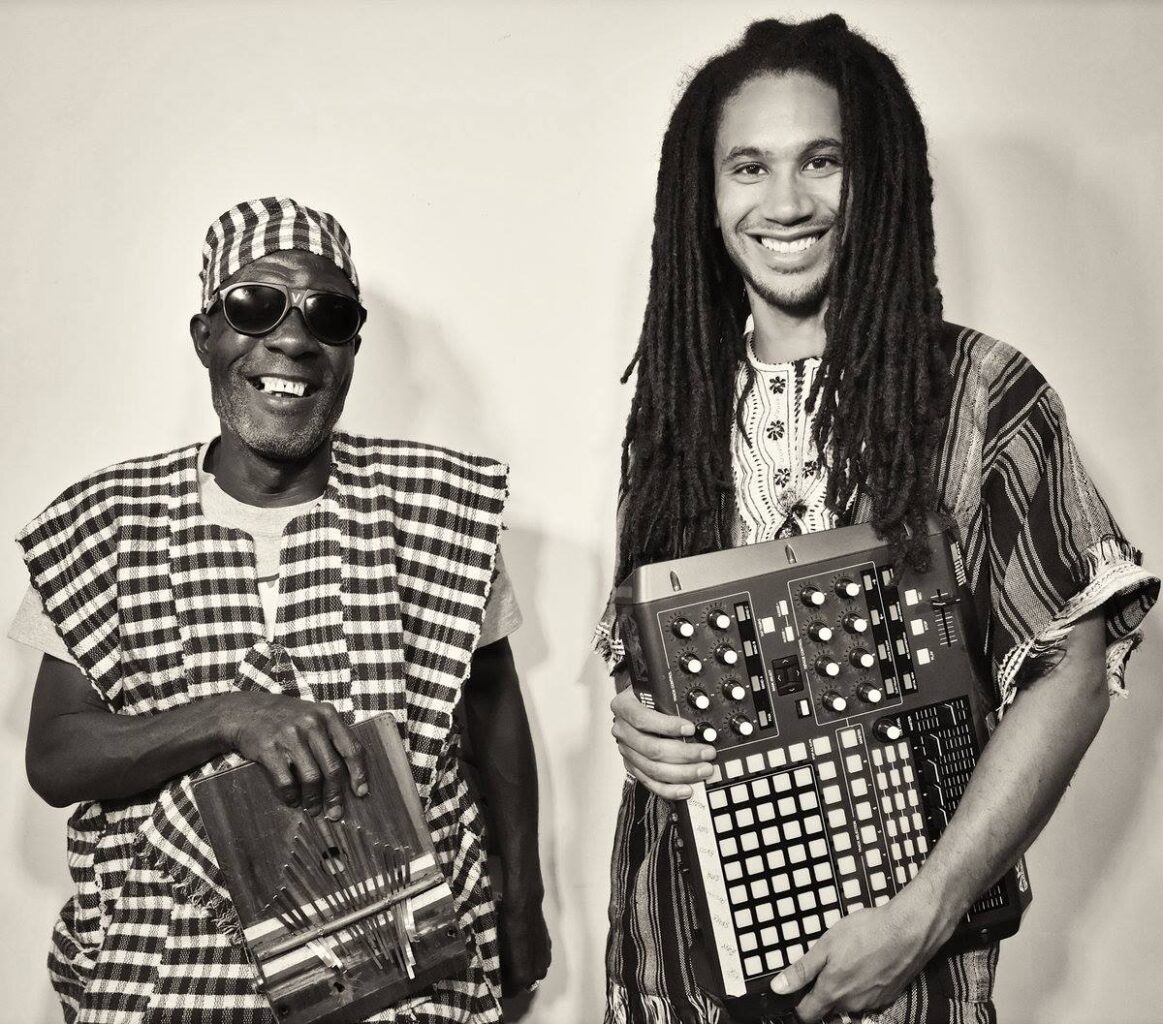
African instruments such as the djembe, kora, and talking drum remain present in modern compositions. Their influence spans various musical genres, from jazz to pop to electronic music.
Social and Cultural Impact
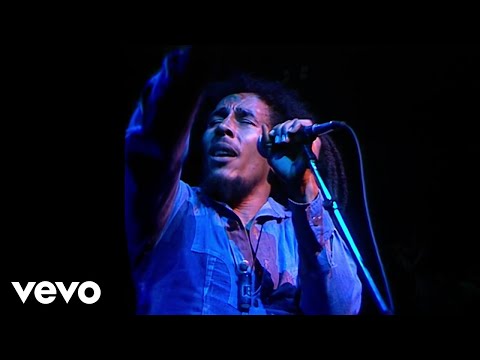
Beyond music, Black artists have played a major role in social movements. Figures like Nina Simone and Bob Marley used their art to advocate for justice and equality, inspiring entire generations.
Preservation and Future
Today, digitalization helps preserve this heritage. Archives, documentaries, and educational programs ensure that this history is passed on to new generations. Festivals like WOMAD celebrate this musical diversity and promote cultural exchange.
Conclusion: A Living Legacy
Black music continues to evolve and transcend borders, showcasing the strength of human creativity. Its lasting influence proves that music is a universal language, carrying history and deep emotions.


