



High-level athletic performance goes beyond hours of training. Behind the scenes, nutrition plays a crucial role in providing energy, aiding recovery, and optimizing physical capabilities. So, what do athletes eat to stay fit and maximize results? This article dives into the science of sports nutrition and reveals the dietary secrets behind some of the world’s top athletes.
1. The Role of Nutrition in Athletic Performance
For athletes, nutrition is more than a diet—it’s a science where each food choice serves a specific purpose.
- Energy and Endurance: Carbohydrates are essential for fueling endurance sports like marathons and cross-country skiing. They are stored as glycogen in muscles, providing a valuable energy reserve during long efforts.
- Muscle Repair and Growth: Proteins help repair muscle micro-tears caused by intense training. They are crucial for strength-based sports such as gymnastics and wrestling.
- Hydration and Electrolytes: Athletes lose significant amounts of electrolytes and water through sweat. Proper hydration helps prevent cramping and supports muscle and cognitive function.
Additional info: Nutrition varies greatly depending on the sport. For example, a sprinter and a marathoner have different nutritional needs.
Useful Link:
Sports nutrition explained by the Canadian Sport Institute


2. Power Foods in Champions’ Diets
Certain foods frequently appear in the diets of elite athletes due to their specific benefits.
- Bananas: Rich in potassium, they help prevent muscle cramps.
- Oats: A great source of complex carbohydrates, oats provide lasting energy.
- Salmon: Packed with omega-3s, salmon helps reduce muscle inflammation after intense exercise.
- Green Vegetables: Broccoli, spinach, and kale are full of antioxidants, essential for fighting oxidative stress caused by physical exertion.
- Greek Yogurt: An excellent protein source for recovery, Greek yogurt is also rich in probiotics for gut health.
Pro Tip: Athletes often prefer whole, unprocessed foods to avoid additives and ensure optimal digestion.
Recommended Video:

3. Timing of Meals: A Key Factor for Performance
The timing of athletes’ meals directly affects performance and recovery.
- Before Training: Eating a meal rich in carbs but low in fat 2-3 hours before exercise provides necessary energy without causing digestive issues.
- During Training: For activities lasting more than an hour, athletes often consume isotonic drinks or energy gels to maintain blood sugar levels.
- After Training: The post-workout meal is crucial for recovery. A mix of protein and carbohydrates (such as a protein smoothie with fruit) helps replenish glycogen stores and initiates muscle repair.
Tip: For optimal recovery, consume a protein-rich snack within 30 minutes of finishing your workout.
Helpful Link:
Meal timing for athletes – Canadian Sport Nutrition

4. The Importance of Supplements
While athletes favor natural foods, supplements can be necessary to meet certain specific needs.
- Whey Protein: Popular among athletes, it is quickly absorbed and supports muscle recovery after intense workouts.
- Creatine: Primarily used in strength sports, creatine helps boost muscle power.
- Vitamin D: Essential for bone health, especially in northern climates like Quebec, where winter sunlight is limited.
- Omega-3: Reduces inflammation and supports cardiovascular health, benefiting all types of sports.
Caution: Athletes should consult a nutritionist before adding supplements to avoid any negative interactions with their diet or specific goals.
Supplement Video:
Choosing the best supplements for sports performance

5. The Role of Hydration in Performance
Water is essential for all bodily functions, and even mild dehydration can impair athletic performance.
- Before Exercise: Athletes start hydrating several hours before their training or competition.
- During Exercise: Taking small sips of water every 15 to 20 minutes helps compensate for fluid loss.
- After Exercise: Electrolyte-rich drinks help replace lost minerals and aid in recovery.
Hydration Tip: To check their hydration level, athletes can simply observe their urine color; the clearer it is, the better hydrated they are.
Additional Reading:
The importance of hydration in sports – Canadian Sports Institute
6. Sample Daily Menu of an Elite Athlete
Here’s a typical meal plan an elite athlete might follow on a training day:
- Breakfast: Oatmeal with banana, berries, and a handful of nuts, along with Greek yogurt.
- Pre-Workout Snack: Smoothie with almond milk, protein powder, spinach, and fruit.
- Lunch: Grilled salmon with quinoa and green vegetables (broccoli, spinach) drizzled with olive oil.
- Post-Workout Snack: Protein bar or yogurt with an apple.
- Dinner: Baked chicken with roasted sweet potatoes and a fresh vegetable salad.
Tip: Meals should be personalized based on the sport, duration of workouts, and the athlete’s goals.
Inspiring Video:
A day in the diet of an Olympic athlete
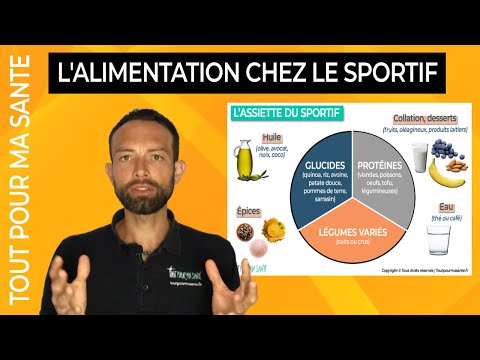
7. How Elite Athletes Personalize Their Diets for Specific Goals
Athletes’ dietary needs vary based on their individual goals, whether it’s building strength, improving endurance, or achieving peak performance for competition.
- For Strength-Building: Powerlifters and strength athletes often focus on high protein intake along with complex carbohydrates to fuel muscle recovery and growth. Foods like lean meats, eggs, beans, and quinoa are staple sources.
- For Endurance: Marathon runners and cyclists rely heavily on carbohydrates to maintain glycogen stores. Whole grains, fruits, and starchy vegetables are frequently incorporated for sustained energy.
- For Weight Management: Athletes in sports with weight divisions, like boxing or wrestling, focus on lean proteins, vegetables, and portion-controlled meals to maintain muscle while keeping body fat low.
Tip for Athletes: Consulting a sports dietitian can be essential in crafting a personalized diet that meets an athlete’s unique metabolic demands and aligns with their performance goals.
Further Reading:
Personalized nutrition for athletic performance – Canadian Sport Nutrition
8. The Role of Mental Focus and Nutrition
The connection between nutrition and cognitive performance is increasingly recognized among elite athletes. Proper fueling supports mental clarity, focus, and decision-making under pressure—factors critical in competitive settings.
- Omega-3 Fatty Acids: Found in salmon, flaxseed, and walnuts, these are known to support brain health and mental focus.
- B Vitamins: Essential for energy production and cognitive function, B vitamins are found in whole grains, dairy, and leafy greens.
- Antioxidants: Foods high in antioxidants, like berries and dark chocolate, help protect the brain from oxidative stress and improve mental alertness.
Mental Edge Tip: Athletes often incorporate these foods into their pre-competition meals to enhance focus, energy, and reaction time.
Video Resource:
How nutrition supports mental performance in athletes

9. Common Myths About Athletes’ Diets
While elite athletes prioritize nutrition, several myths persist around their dietary habits. Here are a few debunked:
- Myth 1: Athletes don’t eat sweets or desserts. In reality, many athletes allow themselves occasional treats in moderation. Balance is key, and a controlled indulgence can help maintain mental satisfaction.
- Myth 2: Athletes only eat protein for muscle. While protein is crucial, carbohydrates and fats also play vital roles in energy and recovery.
- Myth 3: Supplements are more important than real food. Supplements are tools for specific needs, but whole foods remain the foundation of any high-performance diet.
Fact Check: Athletes focus on quality and balance in their diet rather than strictly eliminating any food groups.
Educational Video:
Debunking common myths about athlete diets

By understanding and applying these science-backed dietary strategies, athletes can perform at their best and recover efficiently, setting a strong foundation for success both on and off the field.


