


As the world addresses the climate crisis, 2024 marks a turning point for the energy transition. While green energy innovations are progressing rapidly, challenges remain equally significant. What technologies and policies will drive this global transition? Find out in this article.
Technological Advances Revolutionizing Energy
Innovation is at the heart of the green transition. Sodium-ion batteries, for instance, are beginning to replace expensive lithium batteries. Cheaper, more durable, and made from abundant resources, they enable efficient renewable energy storage. Similarly, transparent solar panels can convert building windows into energy generators, a promising advancement for urban architecture.
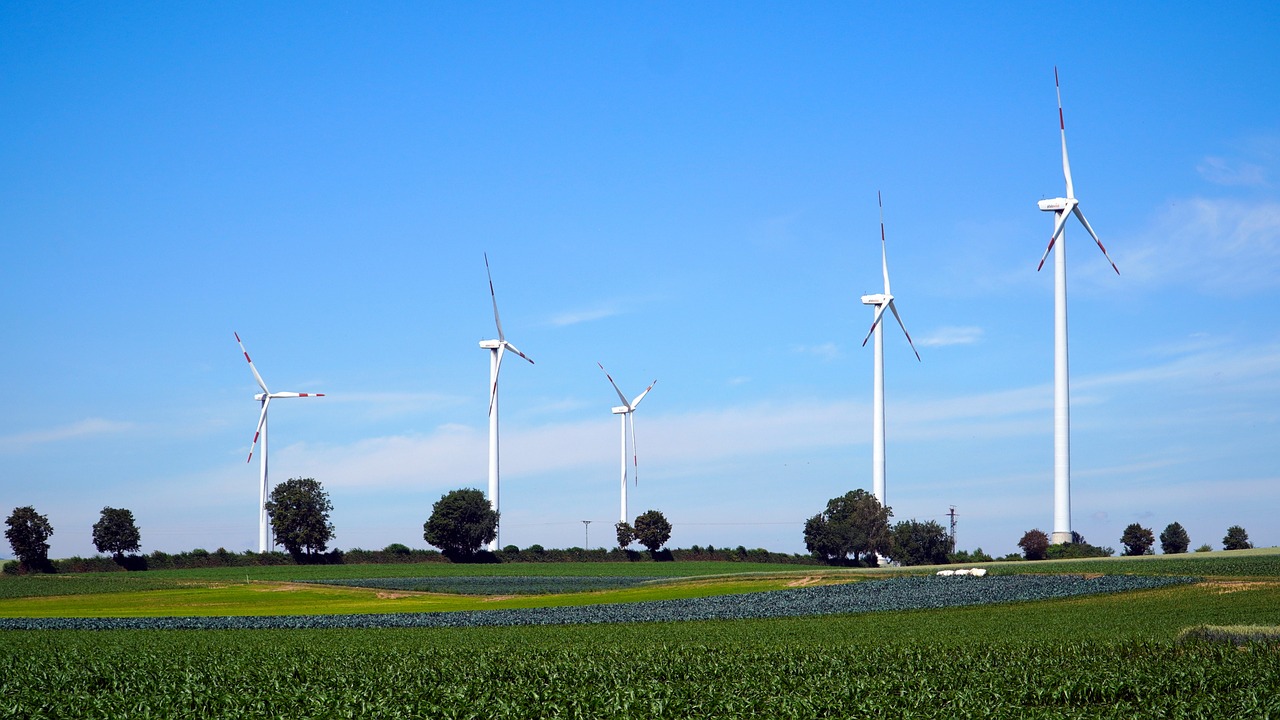
Another emerging technology is floating wind turbines, such as the Hywind Tampen project in Norway. This innovation captures stronger winds offshore, maximizing energy production without impacting coastal ecosystems. Offshore wind projects are set to become a pillar of green energy.
Recommended Video: Floating Wind Turbines in 2024
Global Policies Supporting Change
Accelerating the green transition cannot happen without coordinated government action. The European Green Deal plans massive investments in renewable infrastructure, alongside carbon taxes and incentives for companies reducing their carbon footprint. Asia, with countries like China and India, is also becoming a key player through initiatives to reduce coal usage while increasing solar and wind capacity.
In the United States, under the Biden administration, efforts have intensified to achieve carbon neutrality by 2050, with unprecedented investments in clean energy. A global collaboration seems to be emerging, but disparities remain strong between highly industrialized countries and developing nations.
Relevant Link: European Green Deal Explained
Major Challenges to Overcome
Technical and financial challenges are ever-present. Energy storage remains a cornerstone issue. While significant advances have been made with sodium-ion batteries and compact fusion reactors, deploying these technologies on a large scale remains expensive.
Another crucial question is the environmental impact of extracting materials used for green technologies, such as lithium or cobalt. New initiatives are seeking to innovate in material recycling and reduce the ecological footprint of these cutting-edge technologies.
The Future of the Energy Transition
2024 represents a decisive crossroads. Technological innovations like microalgae-based biofuels and smart grids promise more balanced energy management and reduced CO2 emissions. However, achieving transition goals will depend on strengthened international cooperation, coherent policies, and massive support for businesses and consumers.
If efforts continue at the current pace, the goal of net-zero emissions by 2050 may no longer seem utopian.


