



June 25, 2025 – In response to recurring drought and rising water stress, Morocco is stepping up its climate resilience strategy. The government has launched four new seawater desalination plants, all powered by renewable energy, along with new pipeline and transmission infrastructure to secure long-term water supply.
🌊 Serving agriculture and growing cities
The plants will be located in Agadir, Safi, Dakhla, and Nador, regions most exposed to water scarcity. Each facility will treat between 100,000 and 300,000 cubic meters per day, supplying:
- Key agricultural irrigation systems
- Rapidly growing urban populations
- Threatened groundwater reserves
This reduces reliance on dams and overexploited aquifers.

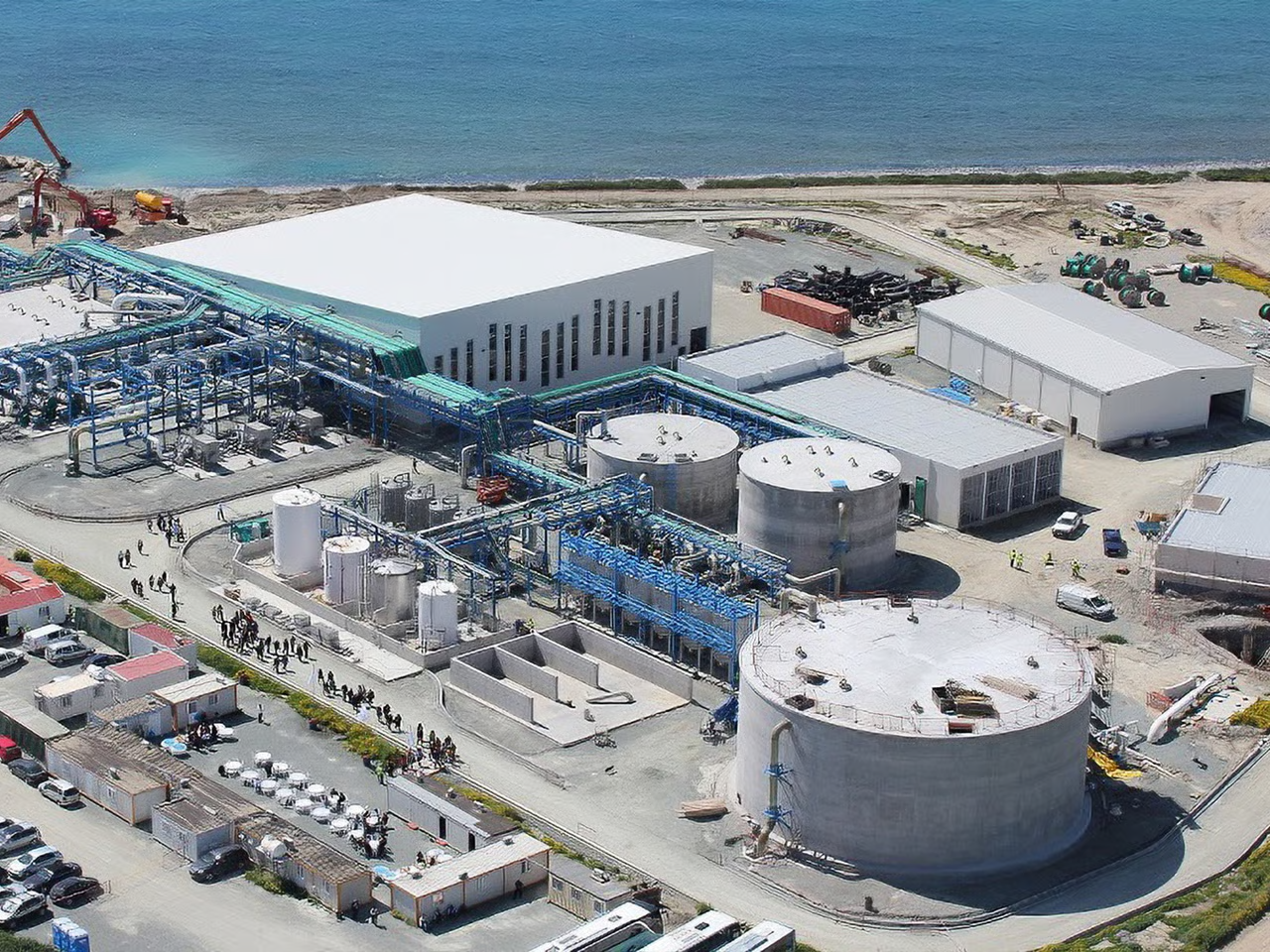
⚡ Solar and wind energy integration
All desalination plants will run entirely on renewable energy, including:
- Ouarzazate and Midelt solar complexes
- Wind farms in Tarfaya and Taza
- A new high-voltage transmission line linking plants to green power sources
This approach aligns with Morocco’s pledge to cut emissions and green infrastructure.
🛠️ Smart pipelines and regional water transfer
In parallel, Morocco is building a smart pipeline network to:
- Move desalinated water to interior farming zones
- Optimize seasonal and regional distribution
- Reduce water loss using real-time monitoring
The system is managed by the National Office for Electricity and Drinking Water (ONEE).
🤝 Public-private partnerships and global backing
The initiative involves €3.2 billion in investment, combining:
- Support from European lenders (EIB, KfW)
- The African Development Bank
- Moroccan and Spanish private operators (SUEZ, Abengoa, Nareva)


🌍 Water sovereignty in a warming world
These projects are part of Morocco’s goal to become Africa’s model of water resilience. The country aims to triple its desalination capacity by 2030 and reach 52% renewable energy in its power mix.
✅ Conclusion
By merging clean energy and water security, Morocco is building a future-ready infrastructure. These green-powered desalination plants show how climate action and sovereignty can go hand in hand in the face of global warming.


