


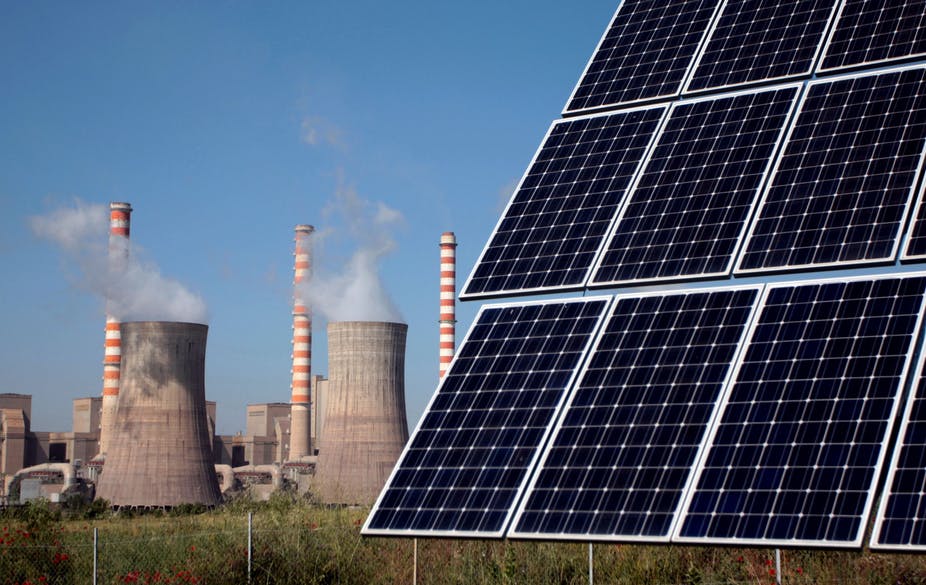
June 25, 2025 – South Africa is showcasing a new face of climate action and social reinvention. The town of Komati, once home to one of the country’s oldest coal-fired power stations, is undergoing a landmark transformation. Thanks to $497 million in funding from the World Bank, Komati is being reborn as a solar and battery energy hub, offering both green energy and economic revival.

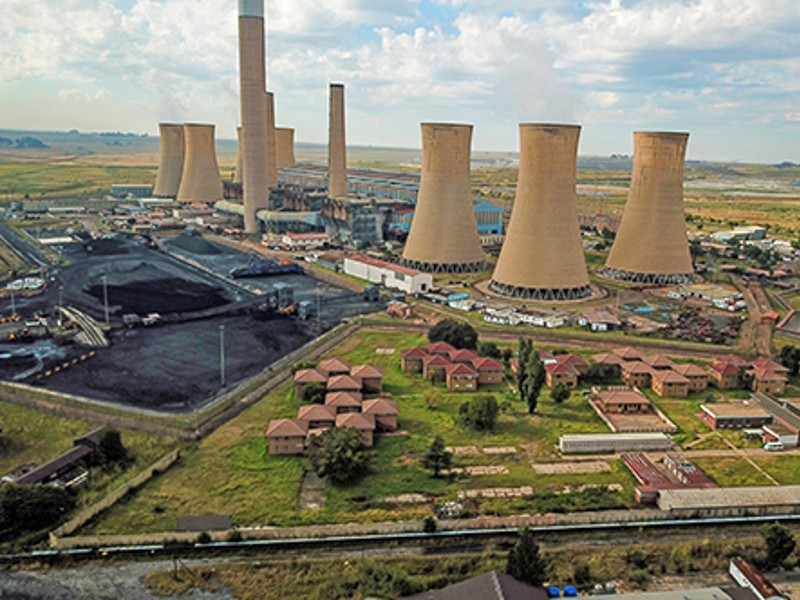
🏭 From coal ashes to clean energy innovation
Komati’s coal power plant, operational since the 1960s, was shut down in 2022 due to aging infrastructure and environmental pressures. For years, the town faced unemployment and stagnation.
Now, the site is being revitalized into a modern energy center, including:
- A large-scale photovoltaic solar plant
- Battery storage systems for energy stability
- A training hub for former coal workers and youth
🌍 A $497M just transition project with World Bank support
This project is part of South Africa’s Just Energy Transition (JET) strategy. The financing package includes:
- A low-interest loan from the World Bank
- Co-investment from private South African energy firms
- Technical cooperation from Germany’s GIZ
It’s being cited as a blueprint for other post-coal economies across Africa.

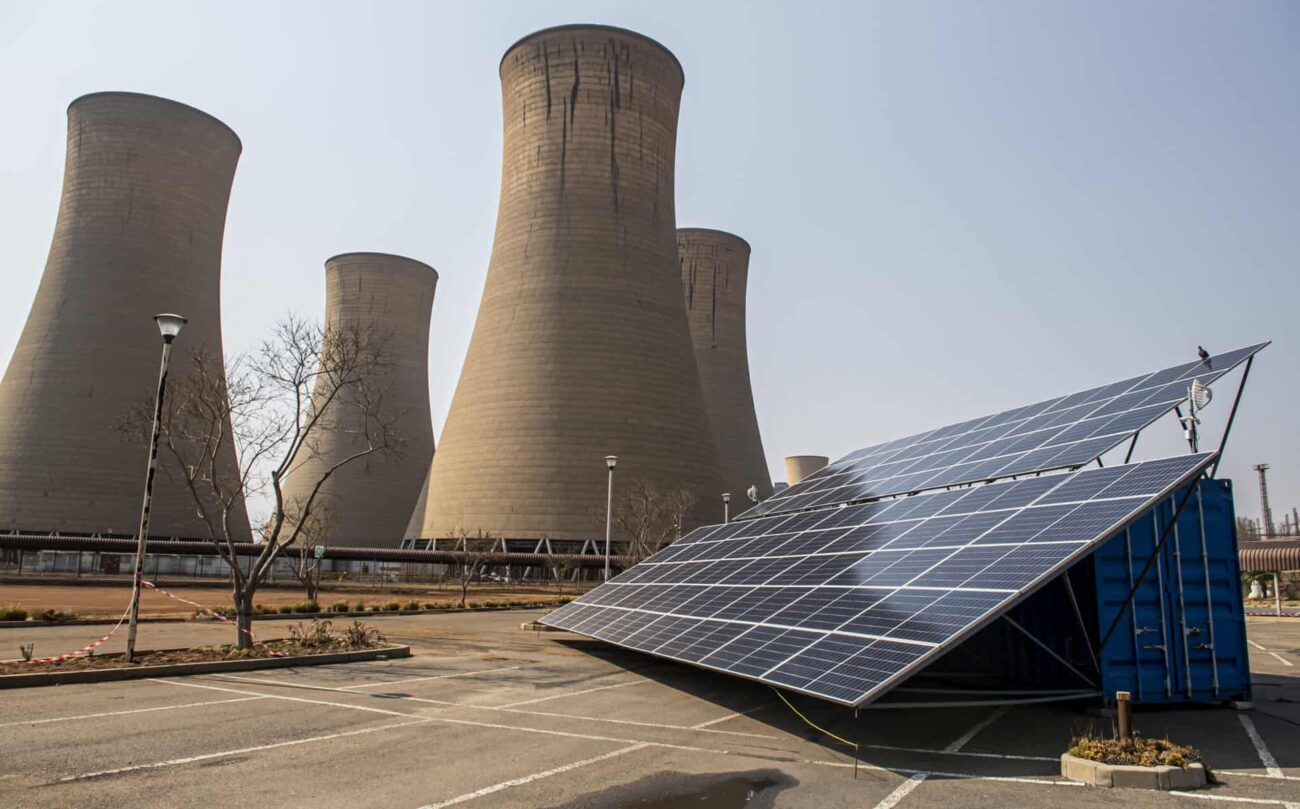
👷♂️ Jobs, skills, and local opportunity
The initiative goes beyond clean infrastructure. It also provides:
- Solar technician and installer training programs
- Job retraining for former coal miners and plant workers
- Community development grants for agriculture and small enterprises
“A just energy transition must include the people who powered the past,” said Energy Minister Nomvula Mokonyane.
🔋 A green model for Africa’s future
Komati is the first South African coal town to undergo a full green conversion. It aligns with the country’s commitment to reach carbon neutrality by 2050, while reducing coal’s dominant role (still 75% of electricity as of 2024).
✅ Conclusion
Komati represents a real, inclusive model of green transition—where energy, employment, and environment align. A story of renewal with lessons for all of Africa—and the world.


