


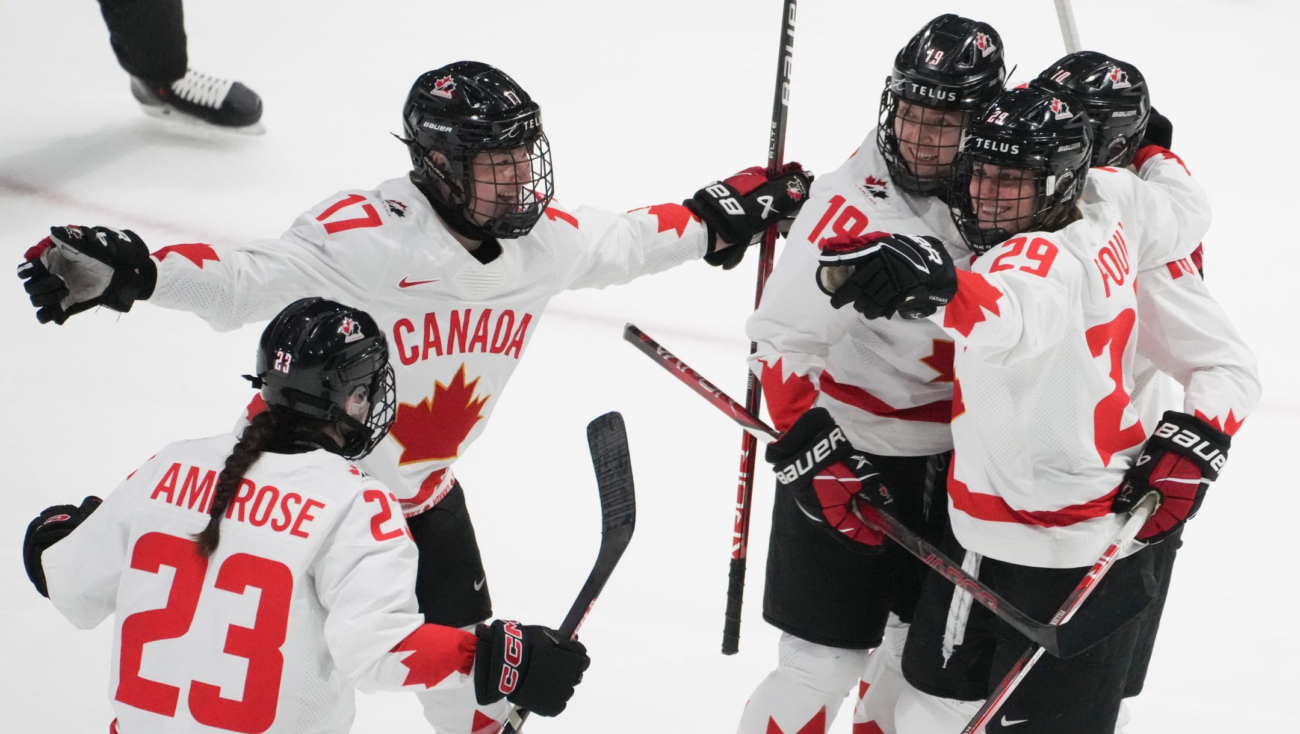
Hockey, a sport deeply ingrained in Canadian culture, is undergoing significant changes in 2024. For this new season, the league has introduced updated rules to increase the game’s speed, enhance player safety, and improve officiating accuracy. Whether you’re a player, coach, or a hockey fan, here’s everything you need to know about the 2024 hockey rule changes and how they will shape the game this year.
1. Faster Gameplay: Changes for More Fluid Action
Several changes have been implemented to make hockey more dynamic by minimizing unnecessary interruptions.
- Quick Faceoffs: Faceoffs are now strictly timed. Teams have only five seconds to set up once the referee is ready to drop the puck. This rule encourages faster gameplay and reduces downtime.
- Fewer Icing Calls: The league has adjusted the icing rule slightly to promote continuous play. Referees now exercise more flexibility in cases where icing doesn’t seem intentional.
Tip for Players: Training to improve reaction time and positioning will be essential for adapting to these quicker faceoffs.
Video Explanation:
New Rules for a Faster Hockey Game in 2024


2. Enhanced Player Safety Measures
Player safety remains a top priority, and several rules have been introduced to minimize injury risks. In 2024, the focus is on reducing dangerous impacts and potentially harmful hits.
- Stricter Penalties for Head Hits: Any head contact, even accidental, now results in harsher penalties. Referees are encouraged to issue multiple-minute penalties or even suspensions for repeated infractions.
- Goalie Protection: Non-accidental contact with goalies is more closely monitored. This rule aims to create a safe space around the net, reducing collision risks.
Advice for Teams: Coaches should emphasize clean playing techniques to avoid costly penalties linked to dangerous play.
Useful Link:
Player Safety at the Heart of New Hockey Rules
3. Technology in Officiating
The 2024 season sees the integration of more technology to support referees in making accurate calls, ensuring fairer gameplay.
- Expanded Video Review: Referees can now use video replay for offside checks, disputed goals, and major penalties. This minimizes incorrect calls that could affect the final score.
- Puck and Skate Sensors: In some leagues, sensors have been added to pucks and skates to accurately track their position on the ice. This data helps in determining offside plays and validating goals more precisely.
Impact on Games: This technology ensures fair play and reduces controversies, though teams must adapt to potential pauses during video reviews.

4. New Restrictions on Player Equipment
To limit equipment-related advantages and standardize play, updated equipment regulations are now in effect.
- Stick Curvature Limits: The maximum allowed curvature for hockey sticks has been adjusted to prevent overly powerful and inaccurate shots. This change aims to reduce potential injuries and standardize shooting techniques.
- Updated Protective Gear Standards: New safety standards for protective gear, such as shoulder pads and helmets, are now required. Players must ensure their equipment complies to avoid penalties and reduce injury risks.
Note for Players: It’s recommended to check with equipment manufacturers to confirm gear compliance for the 2024 season.
Useful Link:
Hockey Canada Equipment Standards
5. Crackdown on Unsportsmanlike Conduct
To strengthen the integrity of the game, stricter rules have been implemented to address unsportsmanlike behavior that can tarnish hockey’s reputation.
- Zero Tolerance for Fighting: In 2024, any involvement in fighting results in longer suspensions and fines to discourage these behaviors. The league aims to promote fair play and reduce injury risks.
- Penalties for Taunting: Verbal and physical taunting are now closely monitored, with immediate penalties for unsportsmanlike conduct, including gestures or insults.
Impact on Teams: Coaches must ensure that players maintain respectful behavior on the ice to avoid penalties that could disadvantage the team.

6. Modified Overtime Rules to Encourage Quick Goals
To increase excitement and encourage more scoring opportunities, the overtime rule has been adjusted.
- 3-on-3 Overtime: In case of a tie, overtime is now played in a 3-on-3 format, creating more open ice and favoring quick goals. This dynamic configuration adds suspense and energy to end-of-game scenarios.
- Shortened Overtime Duration: Overtime is limited to five minutes, after which the game goes to a shootout if no team has scored.
Game Strategy: Training players to make quick decisions and exploit open ice is now essential in the new overtime setup.
Learn More:
3-on-3 Overtime Format – International Ice Hockey Federation
7. Increased Transparency with Fans and Public
The new rules also include measures to improve transparency, engaging fans in officiating decisions.
- Public Decision Explanations: After a video review, referees are now required to explain their decisions to the public, enhancing fan understanding and engagement.
- Real-Time Stats: Fans now have access to more live stats, such as shot speed and precise player positions, through sensors and data available on mobile apps.
Benefit for Spectators: Increased transparency and live statistics create a more immersive and enjoyable experience for hockey fans.


With these new rules designed to make the game faster, safer, and fairer, hockey in 2024 promises to deliver an exhilarating experience. The integration of technology, enhanced safety standards, and an accelerated pace keep hockey evolving to provide both players and fans with a unique and thrilling experience while preserving the core spirit of the sport.


